
BUERGER’S DISEASE
What is Buerger's disease?
The confusion about the diagnosis and treatment of Buerger's disease, which is also popularly known as 'Pruning Disease', still continues today. Although the cause of Buerger's Disease is not fully understood, the best known and established cause is the use of tobacco and tobacco products.
What causes Buerger's?
Buerger's disease, which is usually seen in young men (25-45 years old) who smoke, causes blockage of the blood vessels, leading to gangrene and tissue loss starting from the distal parts of the extremities. The most clearly identified cause so far is the use of tobacco and its products. Apart from this, genetic predisposition, hypercoagulability conditions that cause clotting, and especially disorders in the oral flora and a number of bacteria shown in recent years are thought to cause it.
What are the Symptoms of Buerger?
It starts to manifest itself with ischemia in the extremities of patients before the age of 45 who usually use tobacco products. Manifestations start at the tips of the toes or fingers. Burning pain in the fingers and toes, redness in the feet and legs, bruising of the fingers, migratory thrombophlebitis, nail changes and finger gangrene with ischemic ulcers may be the first indicators of this disease. Buerger is a treatable disease. Foot claudication is characteristic for these patients.
How is Buerger treated and diagnosed?
Although more than 100 years have passed since its diagnosis, there is no definite diagnostic criteria. Today, Shinoya criteria are used. These criteria are
1. Use of tobacco and its products
2.Onset of the disease before the age of 50
3.Involvement of arteries below the knee
4.Involvement of upper extremities or presence of migratory phlebitis
5. Absence of atherosclerotic risk factors other than smoking
Although Doppler USG may provide information about the involvement of the vessels below the knee, angiography is the main test to support the diagnosis. However, the findings detected on angiography are not definitive diagnostic findings. The most common findings on DSA are segmental occlusions, severe distal vessel involvement, normal upper level vessels and the presence of corkscrew style collaterals around the occluded areas. Unfortunately, there is no specific test to diagnose this disease.
How is Buerger Treatment Performed?
The first step of a successful treatment for Buerger is quitting consumption of tobacco and its products. What needs to be done here is not to reduce the amount consumed, but to QUIT THEM COMPLETELY!!! Treating patients who continue to use tobacco causes serious difficulties.
The main goal after smoking cessation is to relieve pain, to treat infection and phlebitis, and to get more blood to the area where there is no blood supply so that the wounds can heal. There are many medications used for treatment. The treatment should be adjusted according to the patient's current complaints and condition.
In addition to medication, blocked vessels may need to be opened with angioplasty or the extremity may need to be surgically bypassed. For patients with ulcers or gangrene, it is necessary to provide wound care, control of infection and elimination with appropriate antibiotics. It is almost impossible to heal a wound that is not well perfused, particularly an infected wound.
Apart from all these Buerger treatments, treatments such as lumbar or thoracic sympathectomy, spinal cord stimulation, omental or free flap transfers, bone marrow-derived stem cell therapies have been tried and are being tried. And unfortunately, if all these treatments have failed, amputation is sometimes performed as a treatment option.
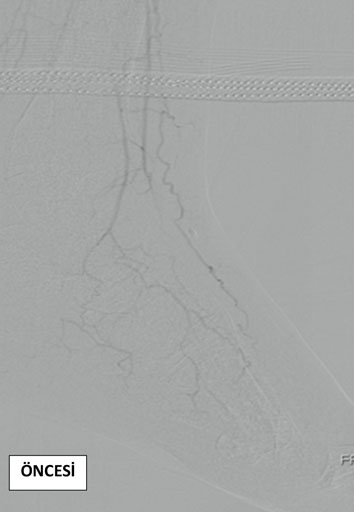
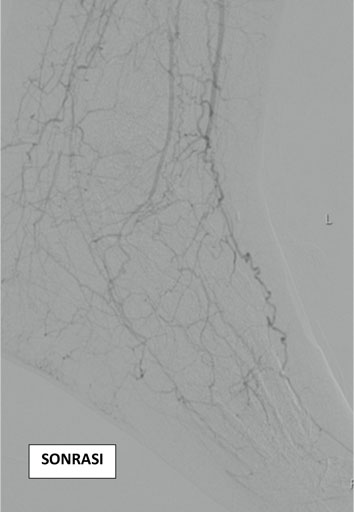
Buerger's Disease Treatment
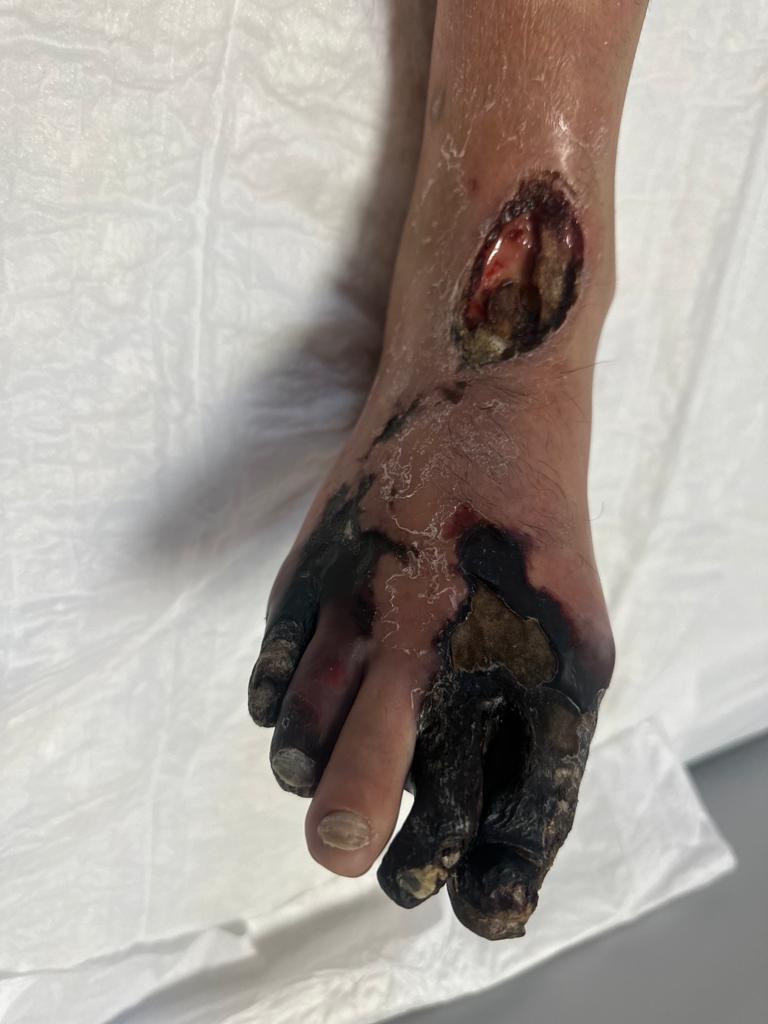
Buerger is the name of the person who first described this disease.
It is a vascular inflammation usually seen in young men who smoke. It is a disease involving vessels and nerves. It is thought to be an autoimmune disease.
Quitting the consumption of tobacco products is good for the disease. It is popularly known as pruning disease. Because the patients are slowly cut from the finger to the groin or from the fingers to the shoulder like a tree cutter.
Most of these patients are users of tobacco products.